
Blog
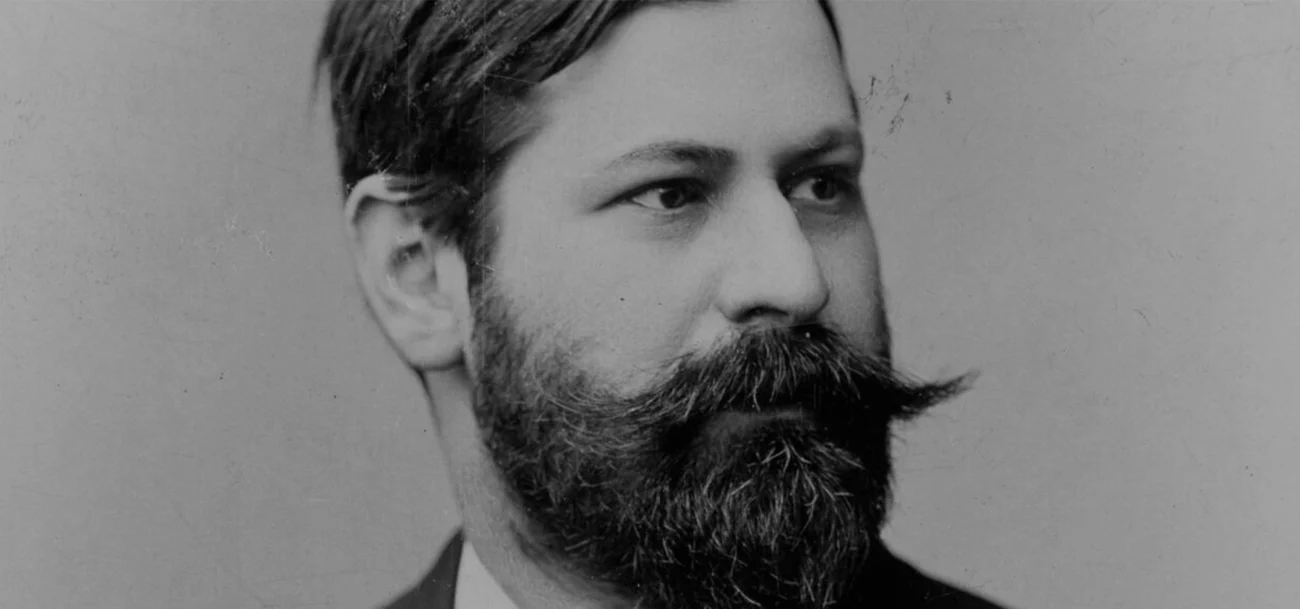

The philosophy of science is a relatively recent field. This discipline informs us about the history of science, for science cannot exist without history. Science must be able to understand what has occurred in order for a theory to be born. These reasons were sufficient for the emergence of the philosophy of science.
What is philosophy of science
Science is a form of reporting. It speaks about things that are often not directly observable. Science tells us how the world is. For this reason, science is important, because it reveals the secrets of the world to us. In many countries today—other than Iran—possessing scientific knowledge is of great importance. Even more important, however, is understanding what science itself is. Because usually, if one understands how a theory comes into being, one can then focus one’s efforts on developing a new theory.
But what about the humanities? When we speak of “science,” do we also mean the human sciences, or not?
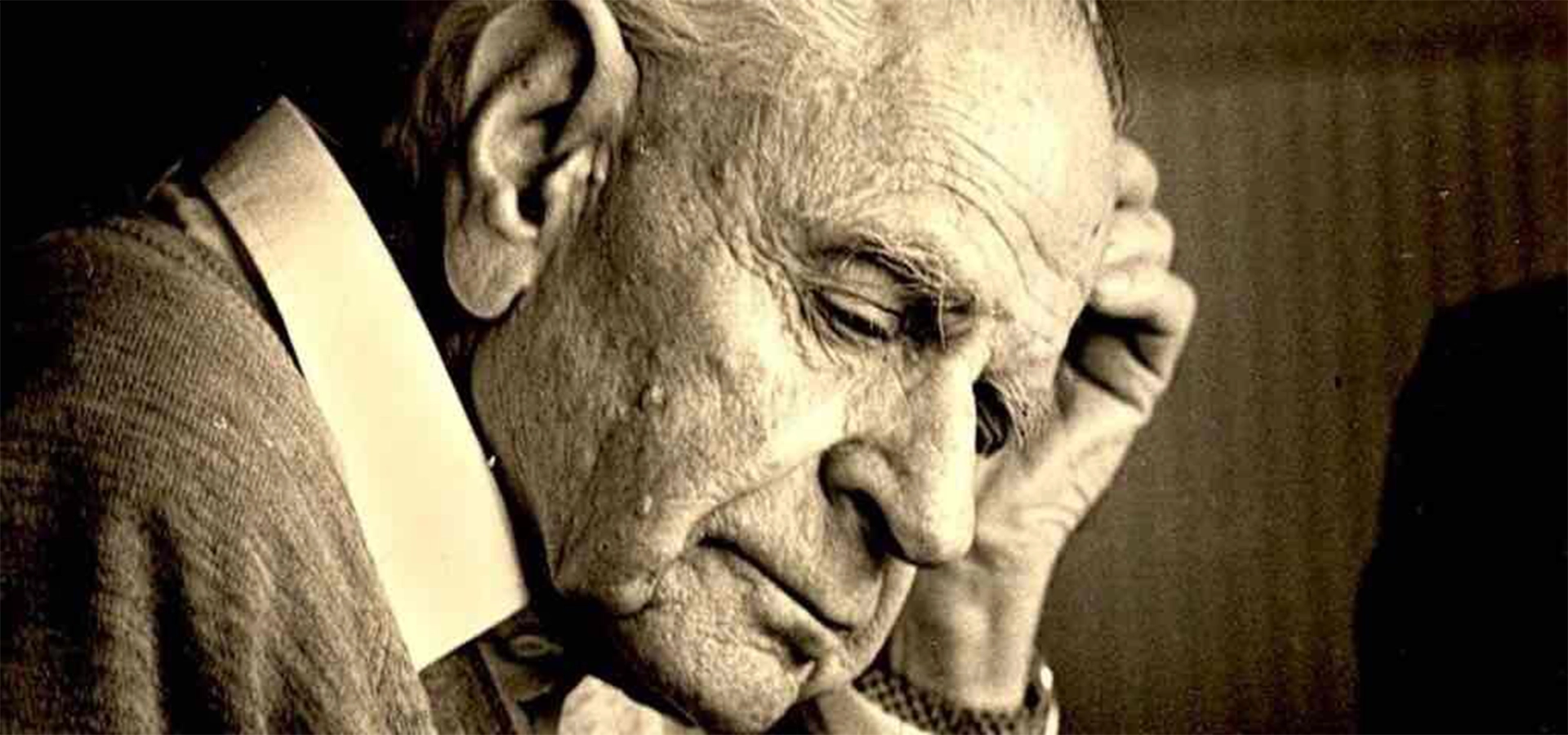
Could we apply term of science to humanities?
As the German philosopher Karl Popper argues, a scientific statement must be designed in such a way that it is open to falsification. That is, it must be formulated so that it can, in principle, be refuted. Otherwise, it can never be falsified and is not scientific at all. Popper derived this insight from his study of the history of science. This view has remained widely accepted to this day, and few seriously question it.
Very well—but does this also apply to the humanities? I must say no! In the human sciences, there is a absolute relationship between the subject and the predicate of a sentence that seeks to report something about the world. In the natural sciences, we cannot engage in inquiry a priori. In the human sciences, however, we can.
The subjects of the human sciences are, as the German philosopher Wilhelm Dilthey maintained, lived experiences (Erlebnis). Each individual in society carries within themselves the historical legacy of their predecessors. Thus, each individual is a historical being shaped by what their predecessors have experienced. If the subject matter of the human sciences is lived experience, then Popper’s conception of science cannot encompass the human sciences—because the subject matter of the human sciences is already accessible to us.
All phenomena in the human sciences stand in absolute relation to one another; that is, they are necessary. When, in examining our own lived experience—or that of a patient in a therapy room—we inquire into lived experiences, those experiences, once they reach the core of the unconscious, are necessarily related. When an individual, in competition with their father within the family, turns toward drug use or toward a particular sport field, and then articulates this in the form of a sentence—can this sentence be considered scientific? Yes. This is precisely what Freud established. This is what Dilthey was seeking.
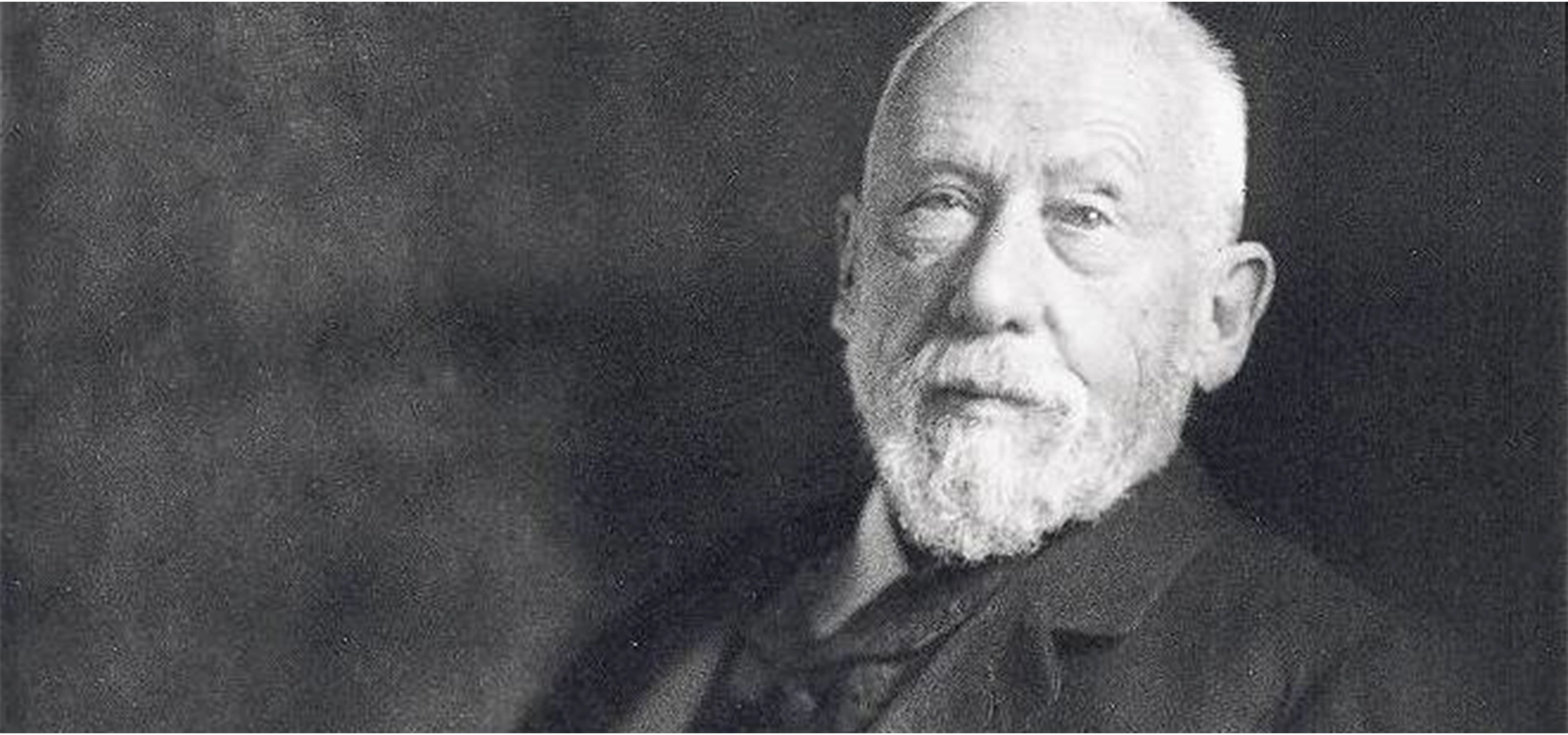
Freud devised a method that, in line with Dilthey’s aspiration, compelled the individual to offer an honest narrative of their life history. This achievement can hold immense value for the human sciences. Why? Because from within individuals’ lived experiences, one can arrive at an understanding of the categories governing the collective mind of a given culture—something Dilthey himself was striving toward.
However, Freud pursued this only at the individual and personal level, that is, through the study and psychoanalysis of the individual. I wish to take this further. I aim to construct a theory that allows us to establish a logical framework for defining science, and then to position psychoanalysis as the core of knowledge within the human sciences. Building upon this, I seek to create a structure through which data from therapists around the world can be collected, ultimately leading to a classification of the psychological patterns governing the global mental landscape of humanity.
What I am seeking?
Is this too idealistic? Does it seem so? It is not. I have already traversed half of this path. I have published a book on this subject in Persian, and I am interested in publishing a revised and expanded version in English as well. However, I have not yet found a path for its publication. Let us set that aside.
What I ultimately wished to express is this: in my view, the core of the human sciences is not philosophy, but psychoanalysis. Psychoanalysis itself is neither a scientific theory nor a scientific method; rather, it is a pre-science. Yet it is the best available path toward achieving theory and science within the human sciences.
Today, the human sciences have become interpretive. In contrast, in Dilthey’s world, lived experiences—the primary subject matter of the human sciences—are given a priori. They constitute the fundamental objects of the human sciences, and the scholar of the human sciences must understand that all human phenomena are rooted in lived experiences. Lived experiences is the foundation of all the human phenomena.
May the memory of Freud, Dilthey, and Popper be honored.

Iranian Culture and the Collective Unconscious
In today’s writing, I don’t want to talk about the current ridiculous games in politics. The political atmosphere of Iran

Iranian Current Days
I want to speak about a people who have endured immense suffering. They possess a rich culture, yet this culture