
Blog
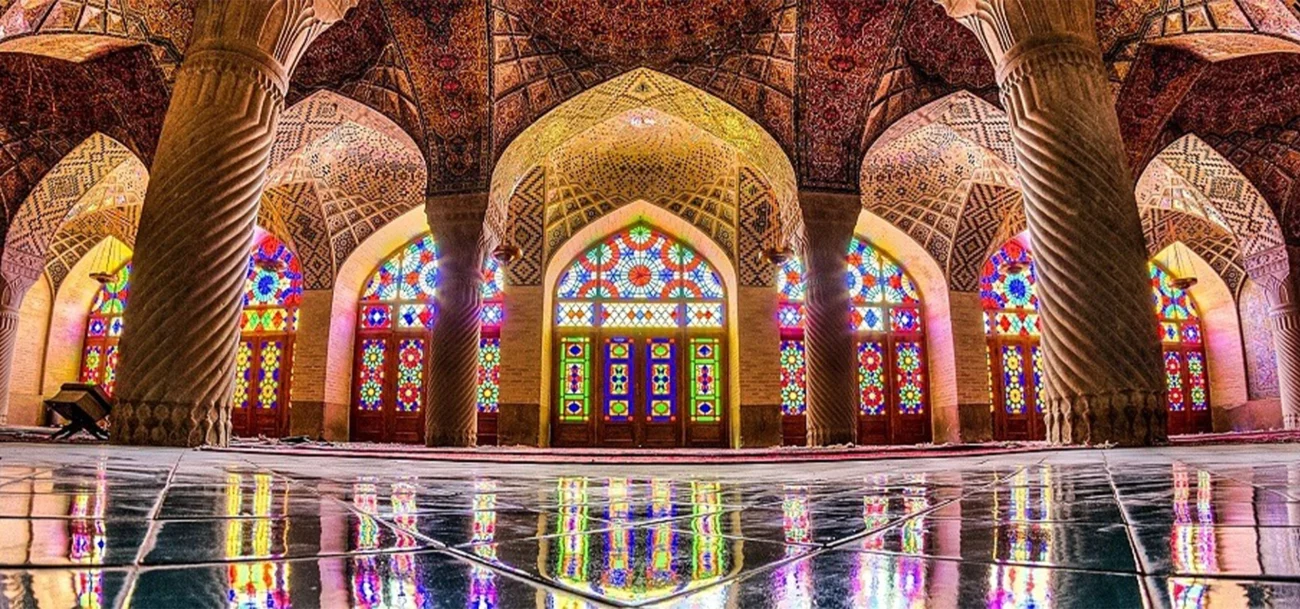

I want to speak about a people who have endured immense suffering. They possess a rich culture, yet this culture has been suppressed over the past few decades. Iranian culture is a blend of rational thinking and belief in God. The ancestors of this land well understood how to integrate these two dimensions—metaphysics and the physical world—remarkably well. Belief in a wise God who calls people to justice and asks them to love one another regardless of different thoughts or religious differences lies at the heart of Iranian thought in the world. This way of thinking has continued from ancient times to the present day, and throughout history, it has been carried by the aristocrats and now middle class.
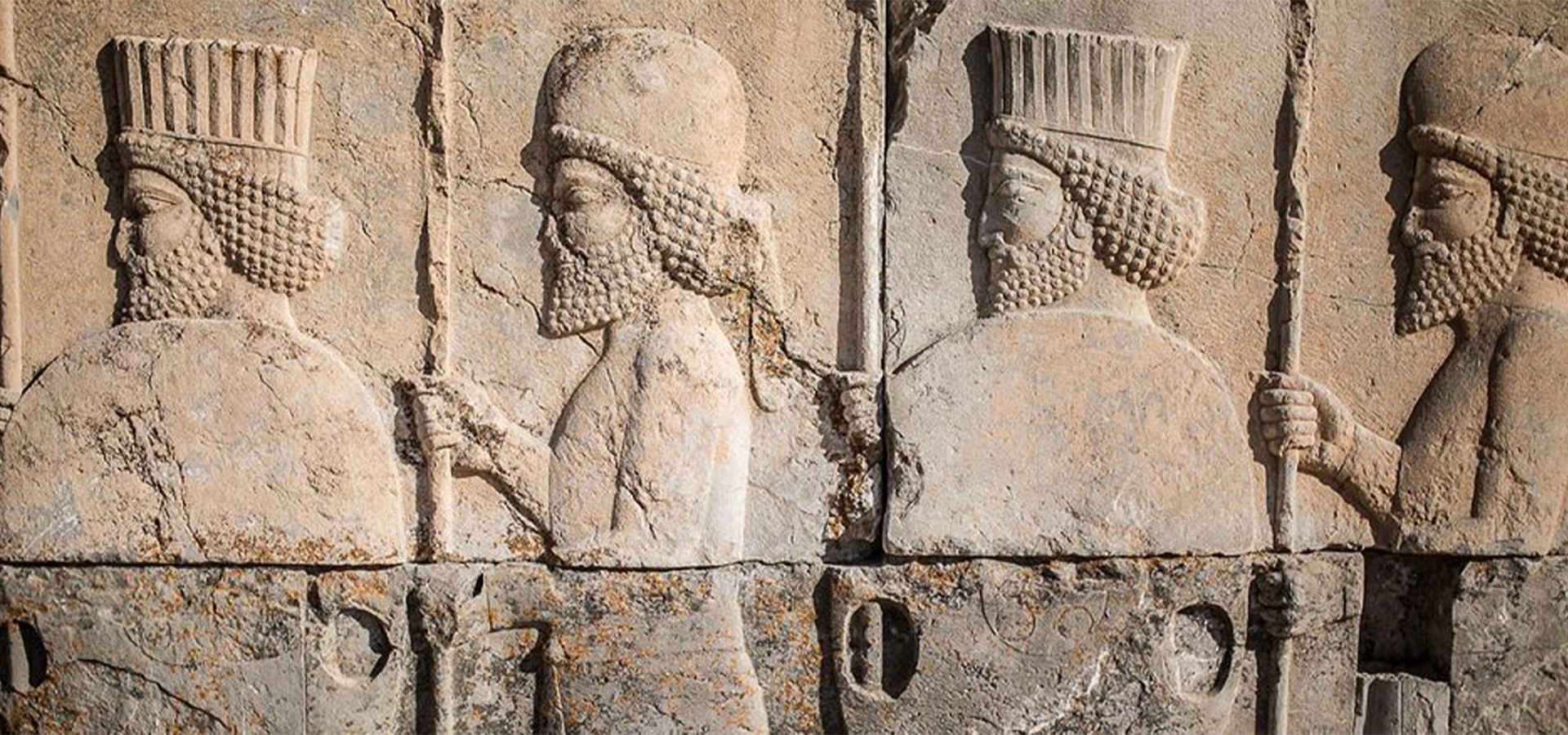
Today, however, that very middle class—an honorable people—has become trapped in poverty and a corrupt economy. They are no longer able to live with dignity. Their true paradigm is simple: “We want to live.” They do not think about harming other nations, nor do they wish to watch the suffering of others; they only want peace. They want, as the ancestors of this land such as Darius the Great once prayed, to keep their country safe from lies, enemies, and drought.
When I am in a taxi, going to work or returning home afterward, I constantly think about why the people of Iran have fallen into such misery. Many answers come to my mind, but the most striking ones is lying. Iranian society can be divided into several groups. One group has turned into savage, resentful, and dishonest monsters. They deceive themselves and others to achieve personal and group. Brokers and middlemen are everywhere, especially in agriculture.

Another group consists of that same middle class, the bearers of democratic values. They see the liars and deceivers present in society, feel deep sorrow, and find themselves unable to act. The third group is the technocrats, who always speak positively about everything. They are extreme in their optimism because the country’s conditions are dire, and they want to preserve their positions at any cost. These technocrats manage the country and control its resources. They appear under many different titles, but regardless of the names they hide behind, they remain technocrats. They are trapped in Max Weber’s “iron cage.”
They suffer from mental problems. All of them are educated, yet they have not matured. Contrary to the wishes of their ancestors, they lie and pursue personal and group interests. Meanwhile, anyone with even a minimal understanding of politics knows that the growth of a society occurs only when individual and collective interests pursue together.
The reality is that today’s Iranian middle class is at war with poverty. Poverty has been created by brokers and middlemen. To escape it, middle class works twelve hours a day. They only want to have their basic rights, yet in this country even basic rights are scarce. The middle class cannot even afford to buy a home. Meanwhile, middlemen grow wealthier every single day.
People’s behavior has changed. In the past, they hated lies; today, everyone lies. The middle class lives surrounded by liars. Although they work hard—twelve hours a day—they remain poor (poor employed phenomena). This poverty has been imposed on the country by brokers. Sanctions, economic pressure, and the lack of connection with the global banking systems have fueled the growth of middlemen and brokers. They are like termites, gnawing away at the roots of ethics and culture in Iranian society.
Yet amid all this chaos, everyone—even dishonest and manipulative Iranians—shares one wish with the rest: the paradigm of “we want to live.”
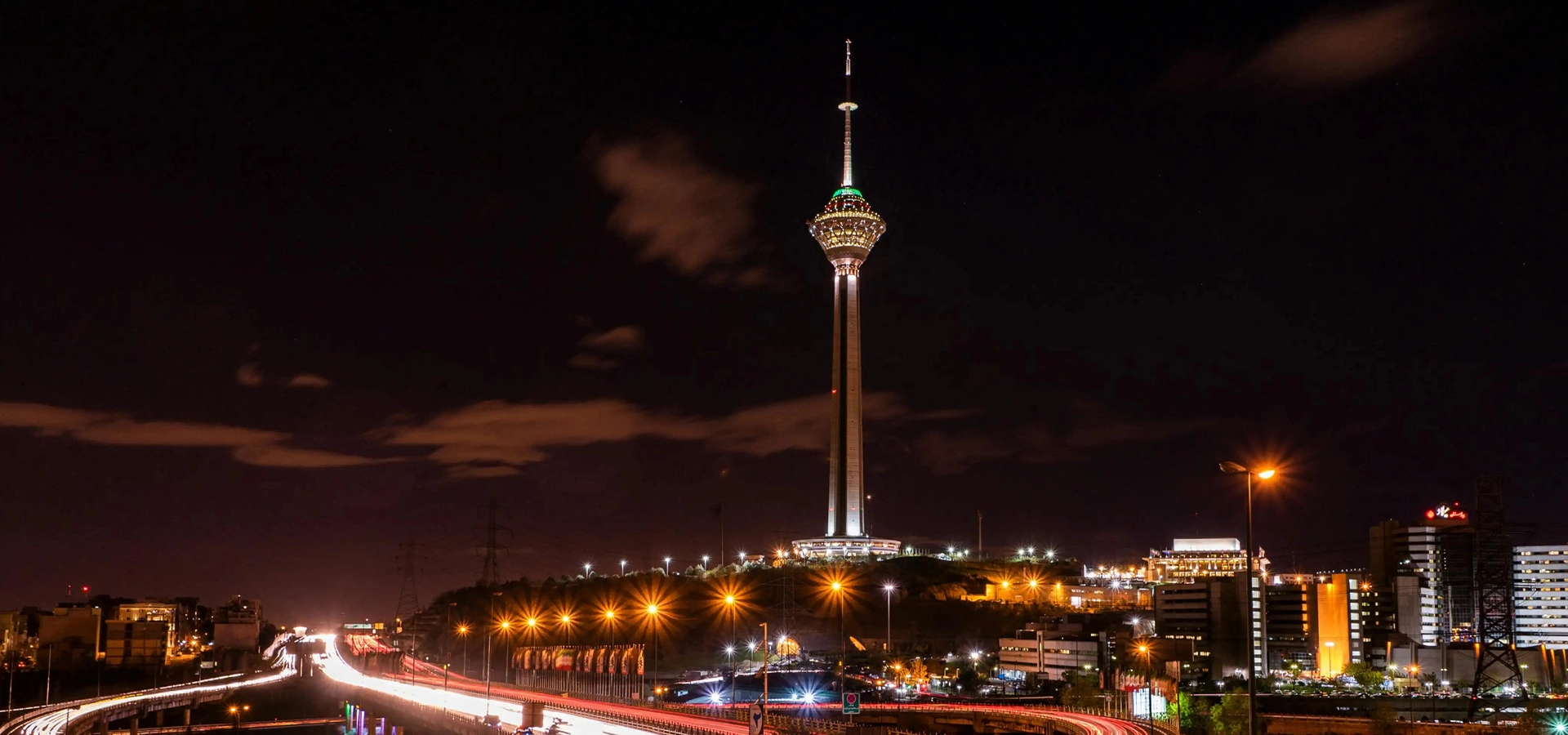
However, people can only move toward happiness when they realize that only they themselves can solve their problems. From international conflicts to issues such as drought, inflation, and poverty, all of these can be addressed when all people stand united. The solution lies in the development of civil society. Broad public participation in forming social groups within neighborhoods and districts, breaking away from traditional structures, and creating civic working groups can help society choose its most compassionate and responsible individuals.
Democracy is always accompanied by chaos. But the chaos of democracy arises from the clash of ideas, and it ultimately benefits society. The same is true in the process of developing civil society. This disorder, in reality, is a path toward the birth of new ways forward. Every new path is an experience of growth for a nation. Iranians must be able to rebuild themselves—and that means reconstructing civil society so they can focus on their problems and channelize political violence from the streets into the political parties and democratic processes.
If European countries come to understand this, they too can realize that a strong civil society in Iran has the capacity to resolve many problems—not only domestically, but also in foreign policy. Although Iran is currently passing through dark days, hope still lives in the heart of the middle class. There are people in this land—men of thoughts—who continue to hope for the rebirth of civil society in Iran and for the discovery of insightful solutions to the challenges the country faces.
History has repeatedly shown that it is the thinkers of Iran who have saved the nation. I am confident that this will happen again.

What are the things which surprised me?
Today, in addition to writing a note about my philosophical thoughts, I also want to write something humorous. Of course,
Where is the stronghold? Philosophy of science!
The philosophy of science is a relatively recent field. This discipline informs us about the history of science, for science

Free Will: Kick it out
Tonight is Yalda Night, the longest night of the Persian year. I’m far from my parents; they are in Karaj.