
Blog
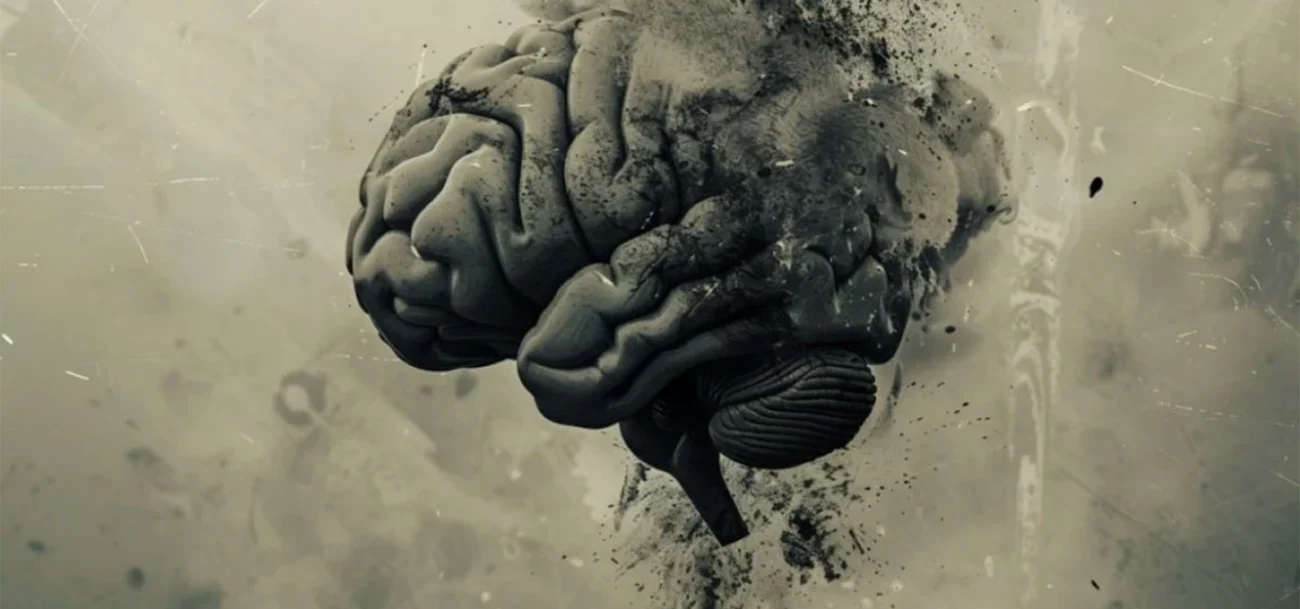

In today’s writing, I don’t want to talk about the current ridiculous games in politics. The political atmosphere of Iran today has been hijacked by some fool people. I want to talk about the Iranian mind, which is active as an interpreter in the political and cultural events of the country. Many believes that the unconscious collective mind is an illusion. Well, if it’s an illusion, I must show them that people act completely involuntarily in many of their judgments, especially regarding life and everyday matters. It seems that by highlighting this part of life, they will then be able to understand that the collective mind does exist. I don’t intend to talk about archetypes like Carl Gustav Jung or think about everyday life from a mystical or theological perspective aspect. What I want to say is that people share a common framework of thoughts and have hidden judgments about various matters. In one of my books, titled Writings on The Logic of Discovering the Collective Unconscious, I tried to think about how to understand these prior thoughts and suggested an appropriate conceptual system for studying them in form of an academic method.
In fact, reason or rational thinking in everyday culture is different from academic paradigms. In academia, you can choose a theoretical framework and think about phenomena using its concepts. However, in everyday life, prior thoughts and unconscious judgments are present but not easily understandable. Yet, the logic of social activities is precisely those thoughts and judgments. Alright, so we don’t want to talk about abstract ideas, but rather, I want to understand the real reason behind the specific behavior of Iranians.
What is Rational
I am not looking for the reason in academia. I am looking for reason in life. Reason in everyday life stems from prior and unconscious judgments about matters. For example, if you have frequently seen poor and marginalized women in your unconscious and have had lived experiences with them, your logical analyses, as an academic, will lean towards defending women. This means that lived experience creates a certain meaning of womanhood for you, one that is always weak and in need of compassion. You see women as beings who need your help and should be freed from the harsh patriarchal structures. If your lived experience is confronted by critics who attack that very experience, you become radicalized and try to find more legal and philosophical arguments to defend women. Throughout your intellectual life, it is this lived experience that drives your logic and rationality. So, reason is rooted in lived experience—whether academic or everyday, which shows itself in the form of tradition, culture, and customs.
To understand that the unconscious exists, let’s think about how much of our decisions in a day are conscious. It’s true that I decide to go to work tomorrow, but that’s just one decision. What clothes I should wear, what perfume I put on, how I shave my face, how I interact with my colleagues, how I start my morning, and thousands of other decisions are not in my control, and I have no plan for them. Yet everything moves forward; sometimes everything falls apart, but in the end, everything keeps going. It’s as if there’s an intelligent decision-making system that drives everything forward, making decisions while I just execute them. This theater of reason, which Western philosophy began during the Enlightenment period, cannot tolerate this analysis because, according to this view, life is completely unconscious, and our thoughts are rooted in our lived experiences.
So, with a simple example, we can understand the unconscious. We realize that in a day, we make thousands of decisions, but we only plan for some of them, and the rest of the decisions form on their own.
This potential arises from within our lived experiences. But the point is that the quality of these lived experiences directly impacts the formation of our reason.
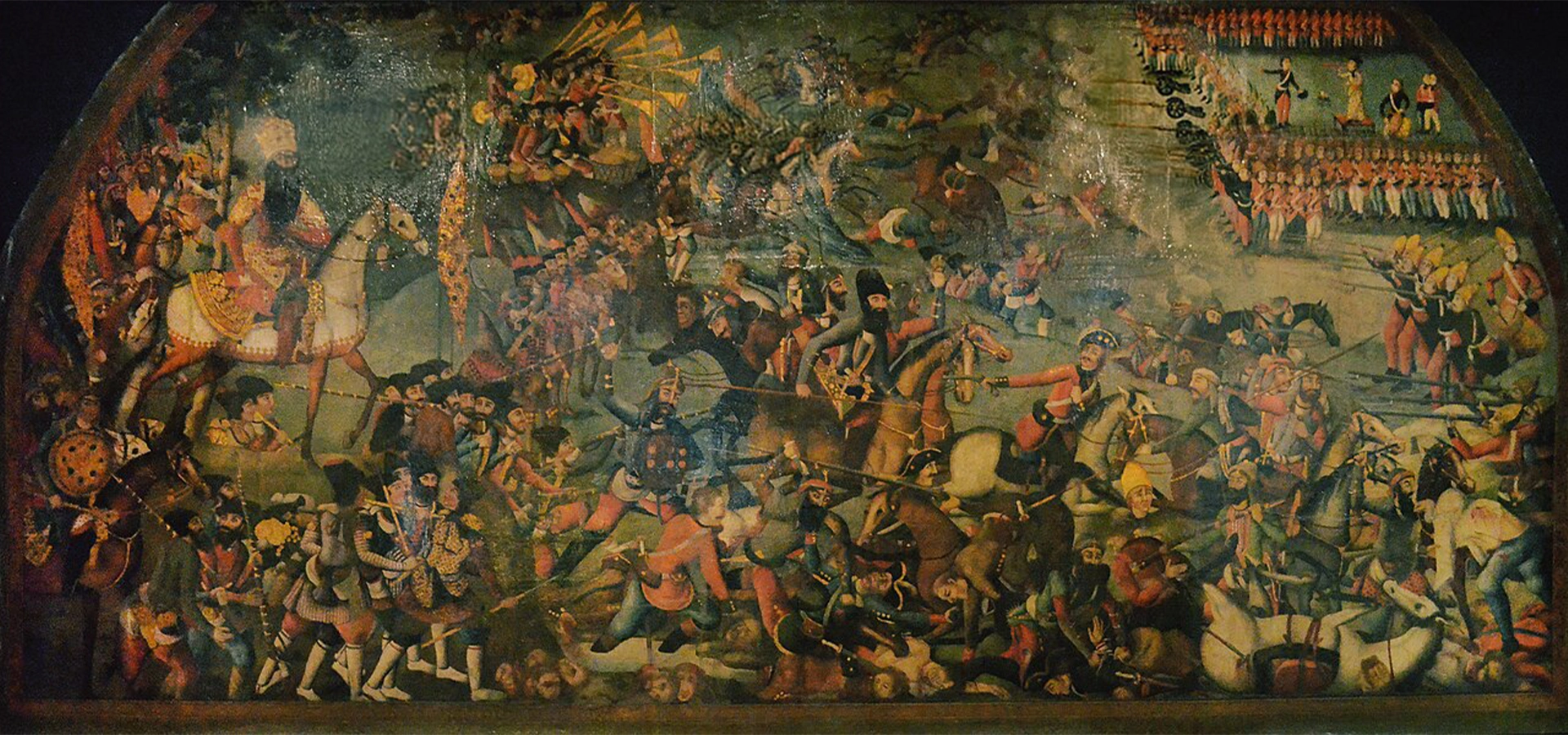
A sample of Iranian lived experiences
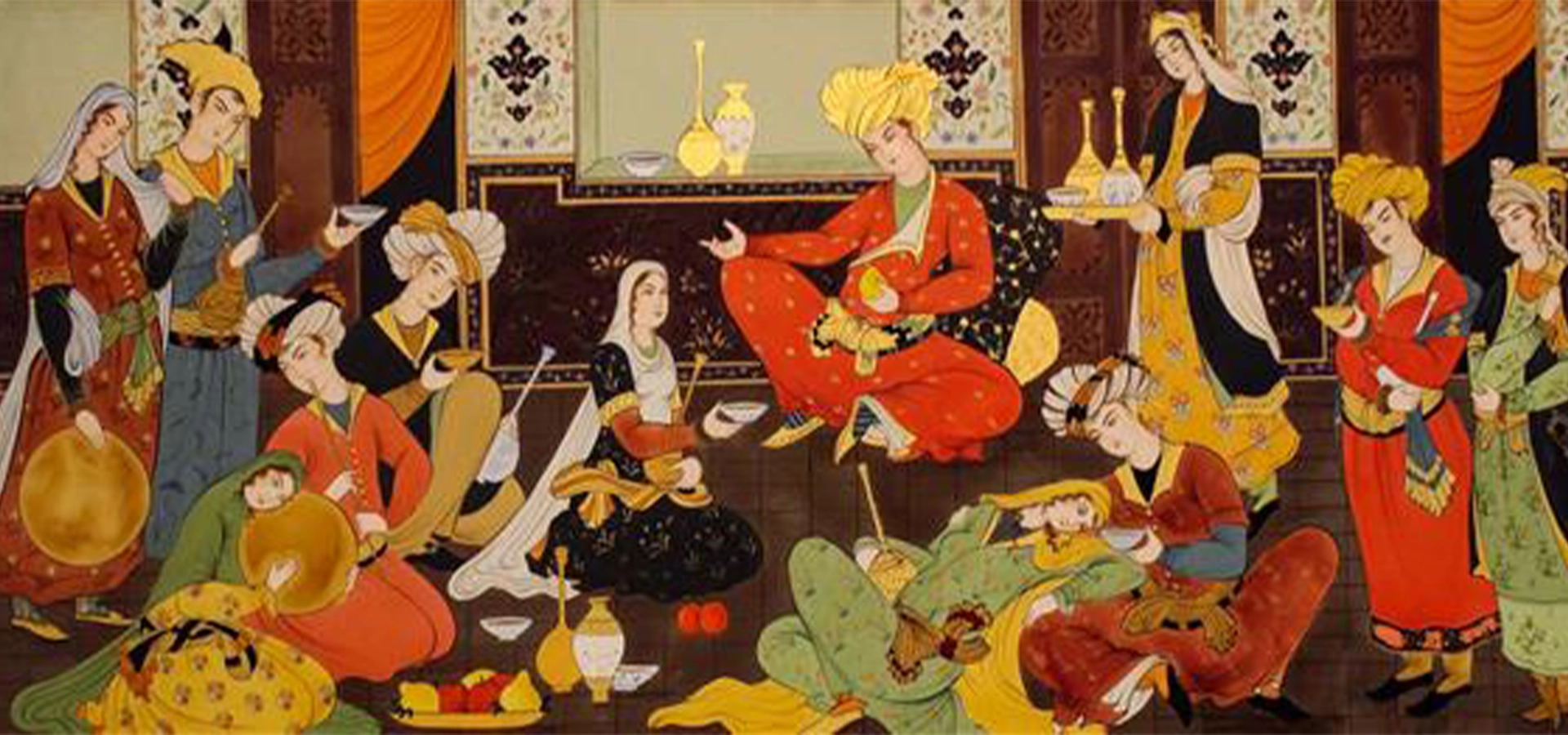
Now let’s think about what characteristics Iranians are known for. One of the most prominent ones, which catches the attention of every tourist, is the warmth and friendliness of these people. So, what lived experience is behind this culture?
If we look at the past history of Iranians, we always find this country in danger from enemies and wars. Even in ancient inscriptions, such as the prayer by Darius the Great for Iran, he asks God to protect the country from the harm of enemies. The enemy, for a country that has always been coveted by powerful nations, is a cultural keyword. It has been repeated many times and can be related to many of the behaviors of Iranians today. So, what is the lived experience of the enemy? Along with fear, not knowing the motives of someone we don’t know is always frightening. But one common mechanism that people use in response to an unknown person is to commit them to ourselves. We do this by becoming friends with them. With this, we force the other person, if they have hostility toward us or come with malicious intent, to turn that intent into a feeling of friendship. We can also observe this behavior in some children. Children who feel weak among their peers sometimes try to attract their friendship with kindness in order to distance themselves from their enmity and hostile intentions. This is a defensive instinct. This lived experience is in harmony with the history of this country, because the enemy has always been a significant issue in this country.
What an Iranian intellectual should do?
The Iranian thinkers must be able to uncover the roots of the lived experiences of Iranian culture. I explained the method of this discovery in my book. This is a collective responsibility. Discovering collective reason requires collective participation. However, once this reason is discovered, it can reveal its harmful elements and could be replaced with intelligent elements. This is a great cultural movement that figures like Freud, Hegel, Dilthey, and Nietzsche pursued and expressed in different ways and concepts. The reason of Iranians is rooted in their lived experiences and their history. To uncover this reason, their history must be studied carefully to identify which lived experience created that particular culture in present. Here, a new concept of reality also emerges. Reality is no longer just what is visible; reality is that lived experience and inner event that occurred in the ancestors of the Iranians and has continued as customs and traditions in the future and the current generations.


What are the things which surprised me?
Today, in addition to writing a note about my philosophical thoughts, I also want to write something humorous. Of course,

Where is the stronghold? Philosophy of science!
The philosophy of science is a relatively recent field. This discipline informs us about the history of science, for science

Free Will: Kick it out
Tonight is Yalda Night, the longest night of the Persian year. I’m far from my parents; they are in Karaj.