
Blog


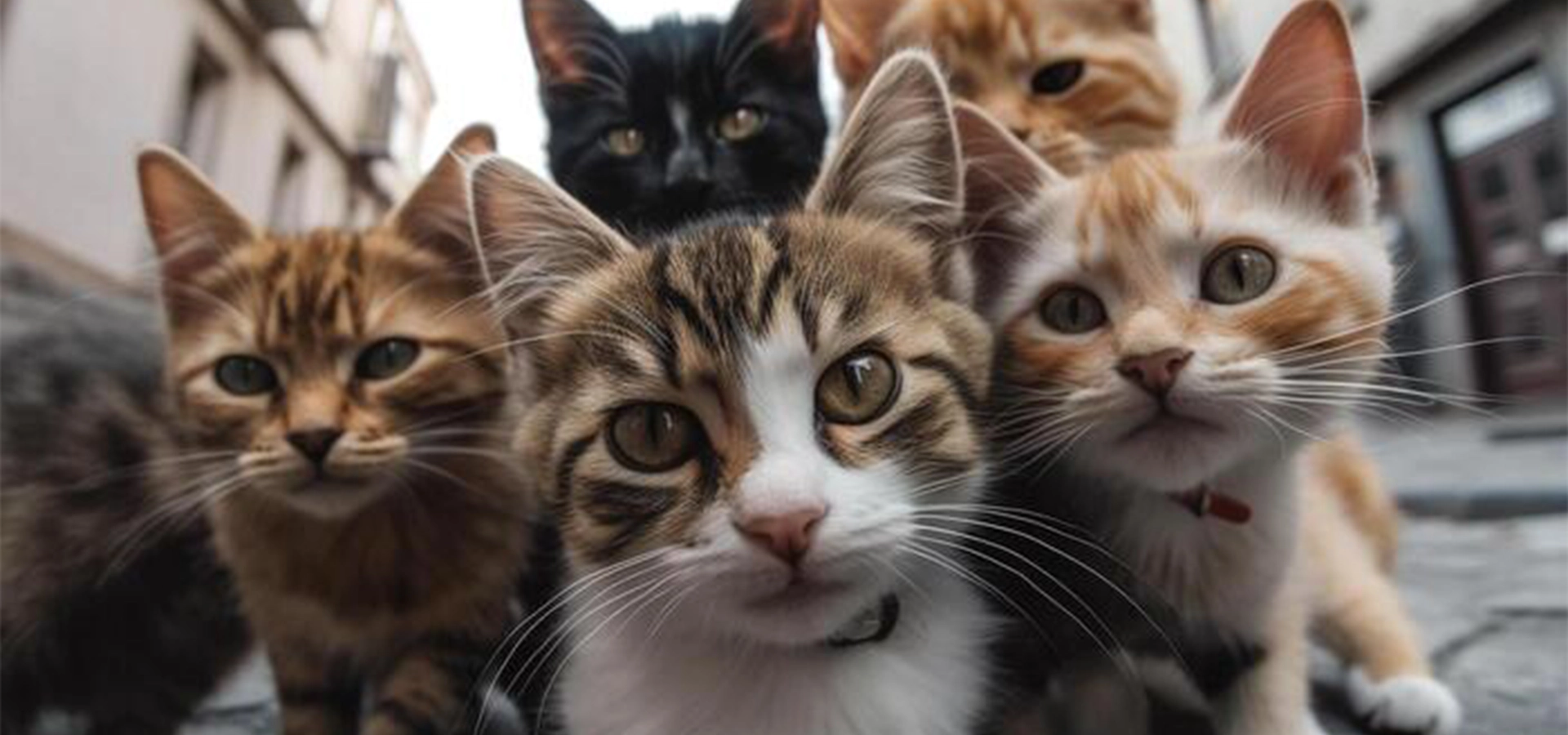
When I return home, I often wonder if the woman who feeds the cats every day is doing it out of kindness or just out of pity. At the place where I’m currently working, I see a woman who comes every day to feed the cats. She has gone so far with this habit that today, about 10 cats from the surrounding neighborhoods came to eat. The company’s yard was full of colorful cats. But what occupied my mind was the question: Is this woman truly compassionate?
The Root of a moralistic action
The reality is that she was altering the natural cycle and deviating it from its natural path. In this sense, her actions were wrong. But what intrigued me was why she felt so committed to doing this? What instinct or drive pushes her to do this act? Reading other people’s intentions isn’t always a good idea because others don’t always have good intentions, and this can make a questioning mind unhealthy. However, if you can think and analyze in a controlled manner, you can gather reliable data for yourself and your knowledge. What Nietzsche taught me is that every action stems from a specific need, even a moral one. Morality is based on need, and we can only say that our action is moral if we don’t help others out of pity. Helping out of pity, even animals, can violate morality. In this case, you’re comparing the object to yourself and that wounded part of your psyche, and unconsciously you feel the need to save it. There’s also the possibility that you see yourself as the savior who must help others and prioritize everyone over yourself. So, this isn’t moral. This behavior stems from weakness, as Nietzsche says.
So, what is a moral action? This thought consumed my mind on my way home. I believe a moral action is one where you act contrary to your needs. In other words, you need something, but you give it up and deprive yourself of it. This action can be moral because it’s not based on need but on a specific logic: that you should wish for others what you wish for yourself. A moral action is one where the other is the focus, not yourself. When you behave politely and wish for a good social standing, it doesn’t mean you’re truly a mature person.
Oh, I tried to keep this brief. Well, I want to say that the cats are the repressed parts of that woman’s psyche, projected outward. She had taken the cats as objects of her weaknesses and lived experiences, and that’s why she enjoyed this act. If she weren’t stopped, she would feed all the cats in the city. Why? Because the unconscious drive always seeks to place itself in an infinite cycle, and when the need is unconscious, it can never be satisfied, and the subject remains active until death.
So, before performing a moral action, let’s place ourselves in others’ shoes and then act.


Iranian Culture and the Collective Unconscious
In today’s writing, I don’t want to talk about the current ridiculous games in politics. The political atmosphere of Iran

Iranian Current Days
I want to speak about a people who have endured immense suffering. They possess a rich culture, yet this culture
4 thoughts on “A woman with bloody heart”
Thought-provoking work, Ali. I like how you turn a simple observation into a deeper philosophical reflection on compassion and motivation.
So much appreciated for your comment dear Noushin
Your article thoughtfully delves into the complexities of moral motivation through a Nietzschean lens. While highlighting how actions rooted in pity may stem from personal weakness, it raises valid questions about true altruism. However, one could argue that the immediate benefit to the cats—reduced hunger and suffering—holds practical value, regardless of the woman’s subconscious drives. The emphasis on self-reflection and empathy before acting is a compelling takeaway, urging us to balance introspection with compassion in our moral endeavors.
Dear Hamidreza,
Many thanks for your comment. I like your point of veiw